
News Center
Character | Chen Bin: A "Gatekeeper" at the "Stove" of Drug Analysis
Release date:
2022-09-23
Every mature industry has its own set of standards—and pharmacy is no exception. When cooking, ingredients like scallions, ginger, and garlic serve as seasonings; just a small amount is enough—add too much, and the flavor of the dish will naturally shift.
Drug analysis works similarly—pharmaceutical ingredients often contain impurities. If these impurities are present in significant amounts, they can directly affect the drug’s effectiveness once it enters the body, potentially even leading to toxicity. That’s why industry standards serve as a kind of "recipe book," laying down strict guidelines for acceptable impurity levels. And just like chefs following a recipe, industry professionals rely on these rules to "cook" up safe and effective medications.
However, no matter how beautifully a recipe is printed, if the chef makes careless mistakes or deviates during preparation, the quality of the dish will still be hard to guarantee. Therefore, In the process of "cooking" the medicine, quality and safety control must be ensured by "gatekeepers" like drug analysts—only then can patients benefit from a safe, high-quality medication. 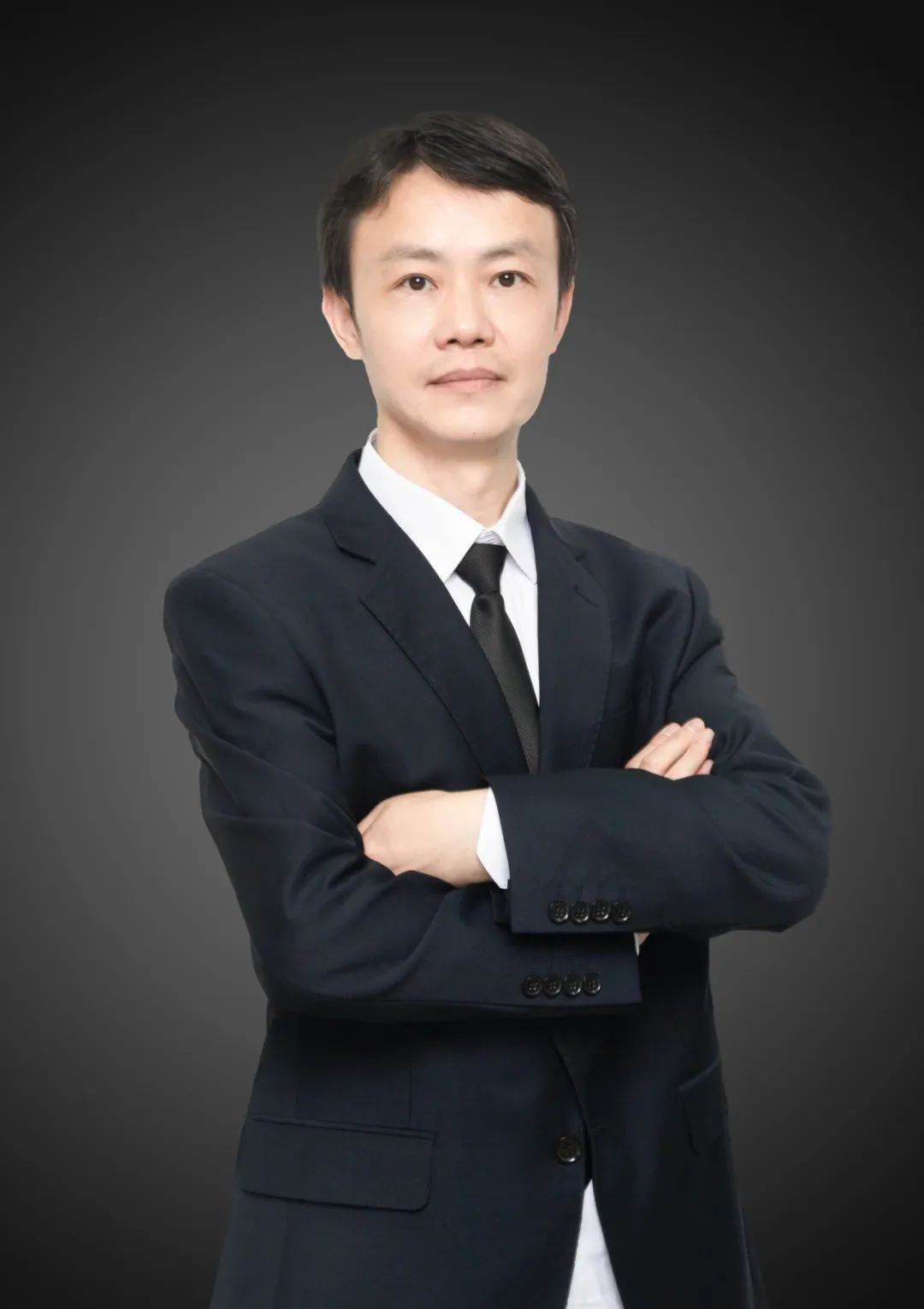
Chen Bin, Vice President of Drug Analysis at Shengshi Taikang Pharmaceuticals. His first impression is one of warmth, elegance, steadiness, and meticulousness. Especially when he supported himself on the chair with one hand while gesturing with the other to explain the specifics of drug analysis—now that truly resembled our university professors passionately teaching and guiding their students!
“During drug development, raw materials inevitably contain harmful impurities—such as heavy metals and genotoxic impurities—as well as other unwanted substances. This is why we, as pharmaceutical analysts, must meticulously ‘keep a close eye’ on these contaminants to continuously refine our processes and ensure they’re thoroughly removed.” As I listened to Chen Bin speak these words with such seriousness, it felt as though a song was quietly echoing in my ears:
"Eyes wide as copper bells, shooting out lightning-like sharpness."
Now, let’s join Sheng Xiaoke as he chats with the "gatekeeper" of drug analysis at Shengshi Taikang, sharing his insights on drug development and industry trends.
Sheng Xiaoke: What inspired you to choose the pharmaceutical industry and ultimately lead you to your current position?
Dr. Chen Bin: This is closely tied to the research project I worked on during my doctoral studies, which focused on screening for new drugs. Drug screening typically follows three main approaches: deriving compounds from natural products, chemically synthesizing them, or using computer-aided modeling and design— the latter of which laid the groundwork for today’s rapidly advancing AI-driven drug discovery technologies. During my PhD, I specifically explored the natural-product approach, examining bioactive compounds from marine organisms such as marine worms. Through techniques like chemical separation, I identified and analyzed their potential therapeutic properties.
Having consistently conducted research in this area, I’ve mastered the technical approaches to new drug development, as well as expertise in pharmacodynamic experiments. At the same time, this field aligns perfectly with my personal interests. That’s why, immediately after graduation, I entered the pharmaceutical industry and have since gained valuable experience at both domestic and international drug R&D organizations and companies specializing in pharmaceutical analysis.
Sheng Xiaoke: Could you briefly describe the specific tasks involved in drug analysis and your daily responsibilities?
Dr. Chen Bin: Drug analysis spans the entire lifecycle of pharmaceutical development, Simply put, this field involves developing and establishing pharmaceutical analysis methods through analytical techniques, studying the principles governing drug quality, and conducting comprehensive testing and control of medicinal products. As a result, this area is highly interdisciplinary, encompassing not only chemical analyses like those found in analytical chemistry—such as chemical analysis, spectroscopy, and chromatography—but also extending to data analysis and even molecular biology-based approaches.
Drug analysis isn’t just about knowing how to operate instruments—it’s even more important to learn how to think critically, leveraging existing facilities, equipment, and guidelines to develop analytical methods and standards that are better suited for testing today’s products. This analytical method and its standards are like the "8x scope" of a sniper rifle—using various parameters that offer sensitivity, specificity, linearity, and precision to "target" impurities, heavy metals, genotoxic substances, and other related contaminants in drug substances. Identifying and ensuring the elimination or control of each potential issue—ultimately guaranteeing the safety, efficacy, and controllable quality of the pharmaceutical—is precisely our most critical task.
Sheng Xiaoke: Could you share what challenges you’ve faced throughout your career? And which projects have left a particularly strong impression on you?
Dr. Chen Bin: Every stage of my career has brought me unique growth and valuable experience. When I first joined a CRO company, it quickly became a "boot camp" of sorts for me. The company placed immense emphasis on building a robust quality management system and strictly enforced its implementation throughout every step of the process. This not only imposed clear constraints on my work in drug development but also helped me cultivate strong habits of standardization and operational rigor.
After joining a pharmaceutical company, I served as the Director of Analytics, responsible for process analysis and quality research. In this role, I led a team of over 80 members while simultaneously driving the development of nearly 50 projects—seven of which ultimately advanced to product registration and market launch. Throughout this journey, I gained a comprehensive understanding of the entire drug development process, including R&D, regulatory submissions, registration, and FDA inspections. This experience not only honed my ability to see the bigger picture in my work but also strengthened my leadership skills in managing and guiding a diverse, high-performing team.
Sheng Xiaoke: What characteristics do you think define an innovative biotechnology company?
Dr. Chen Bin: First, it’s essential to have an internationally-minded core management team, Only with a globally innovative perspective can we strategically develop cutting-edge products, leveraging our international expertise across the entire lifecycle of pharmaceuticals to effectively implement and deliver them. Second, we need to build a technology platform that is both unique and differentiated. Leveraging this platform, it is possible to continuously develop innovative products with clinical value.
Sheng Xiaoke: What kind of project do you think qualifies as FIC?
Dr. Chen Bin: FIC drugs must be globally novel—specifically, they represent the first product targeting this particular pathway to reach the market worldwide. As such, they are poised to deliver significant benefits across the board: for companies, patients, and the industry alike. For instance, CGT-6321, a small-molecule inhibitor developed entirely in-house by the company and targeting both FGFR and VEGFR pathways, demonstrates high selectivity in kinase inhibition. This unique mechanism enables it to simultaneously suppress tumor cell growth, inhibit angiogenesis, and modulate the tumor’s immune microenvironment—making it a promising "first-in-class" candidate as China’s potential breakthrough therapy in the field of solid tumor treatment.
Sheng Xiaoke: What other hobbies do you have outside of work?
Dr. Chen Bin: My hobbies are mainly centered around sports—back in the day, I absolutely loved playing football, basketball, and badminton. But as I’ve gotten older, I’ve become more focused on running. Every morning, I enjoy a 20-to-30-minute jog, which allows me to soak in the serene beauty of the early morning, breathe in the crisp air, and truly savor the joy of movement. Plus, regular exercise gives me the energy and vitality I need to tackle my day with enthusiasm and focus.
Contact Information
Address: Room 101, Bld C11, 218 Xinghu Rd,Suzhou industrial Park,China, 215123
Tel: +86-512-62956960(Recruitment)
+86-512-62956961(marketing)
Copyright © 2022 CGeneTech (Suzhou, China) Co., Ltd.
在线客服添加返回顶部
页面顺滑的滚动
屏蔽页面上图片的alt/title提示
右侧在线客服样式 1,2,3 2
图片alt标题设置: Fland Environmental
表单验证提示文本: The content cannot be empty!
循环体没有内容时: Content is being organized—please wait!
CSS / JS 文件放置地